The Difference Between Oud Chips and Oud Oil
April 11, 2026
Oud chips are pieces of agarwood — the resin-saturated wood itself, cut or split into small pieces for burning. When heated, the resin volatilizes and releases the fragrance as smoke. Oud oil is extracted from agarwood t...
What They Are
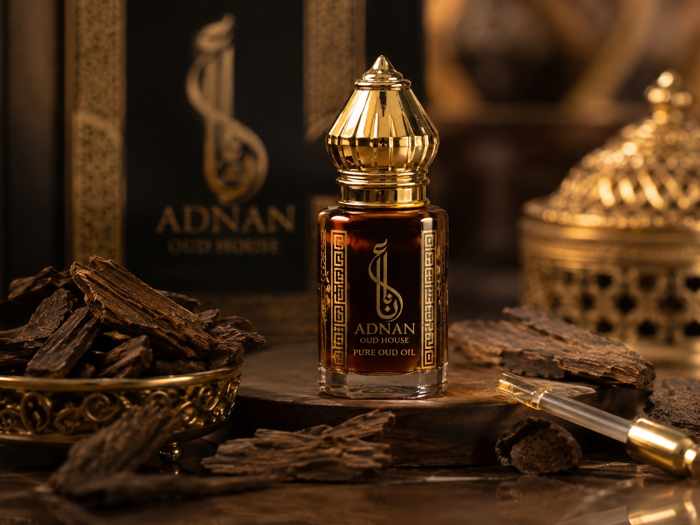
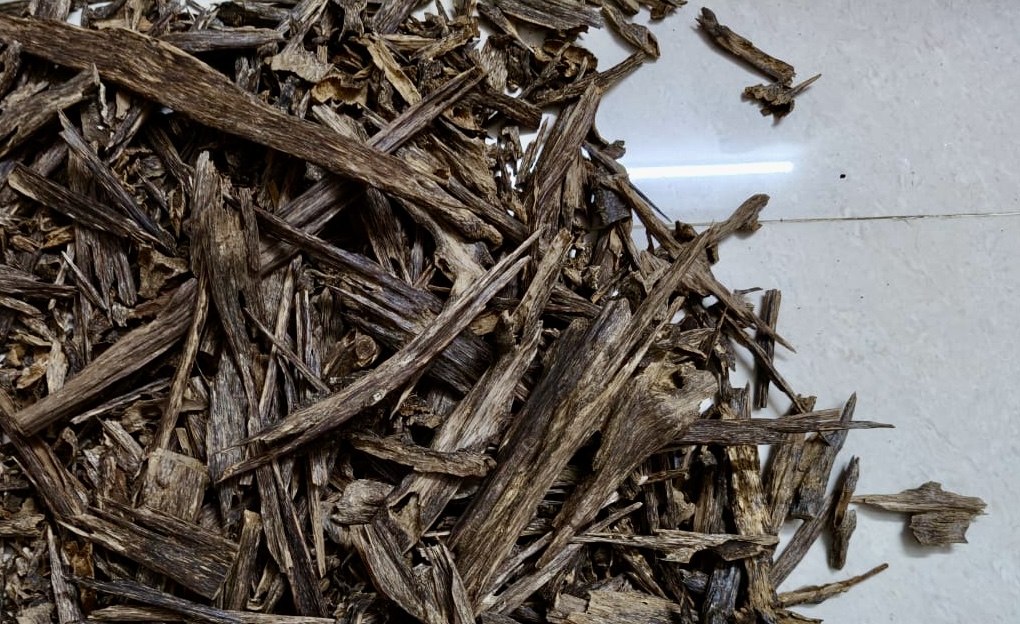
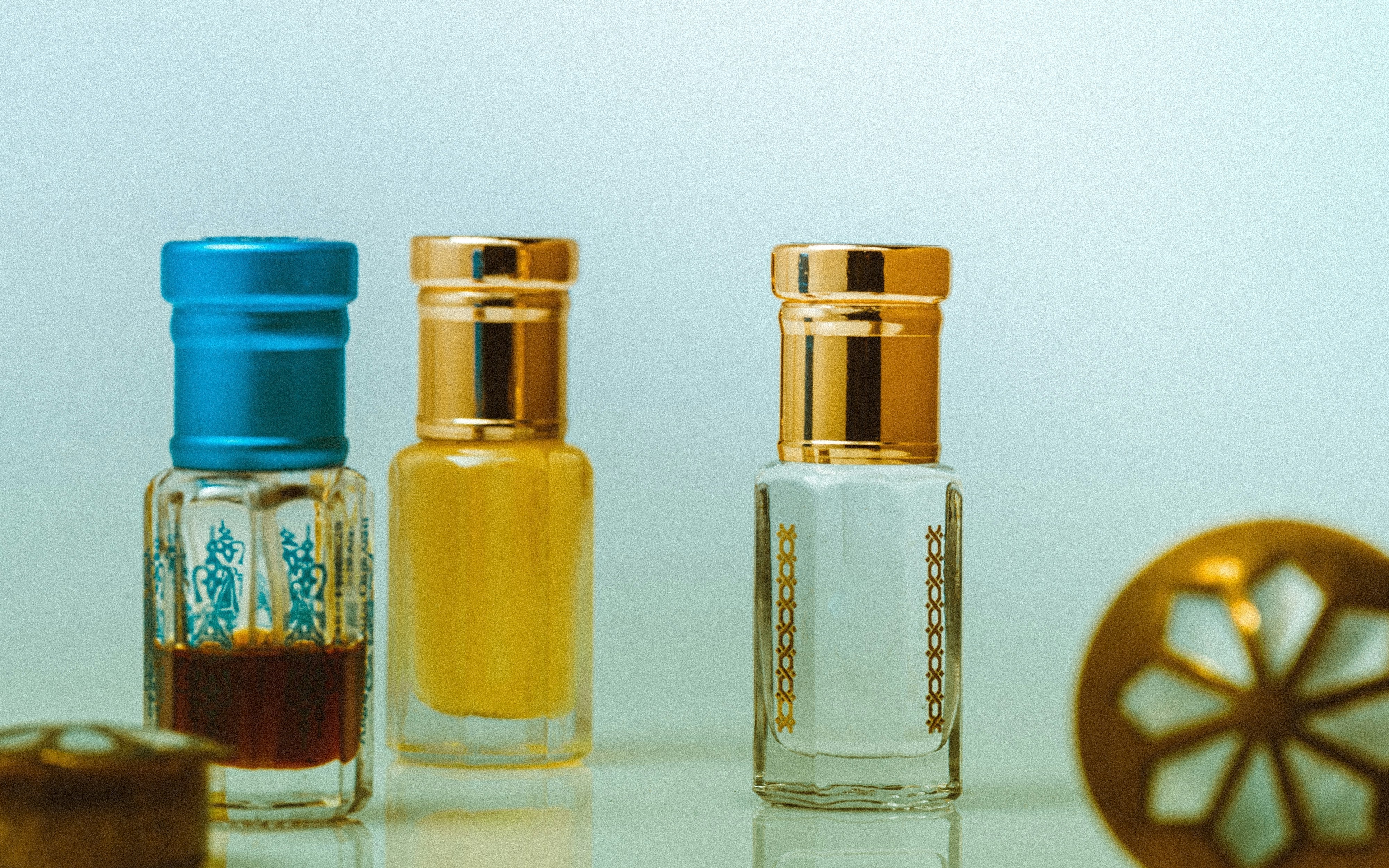
Oud chips are pieces of agarwood — the resin-saturated wood itself, cut or split into small pieces for burning. When heated, the resin volatilizes and releases the fragrance as smoke. Oud oil is extracted from agarwood through hydro or steam distillation — a process where the wood is cooked in water, and the aromatic compounds that rise with the steam are collected and separated. The result is a concentrated liquid used directly on the skin.
The Experience
Burning chips is a room experience. You heat a piece of charcoal or use an electric burner, place a chip on top, and the scent fills the space. It's atmospheric, communal, and ceremonial — there's a reason burning oud has been part of hospitality culture across the Middle East and Asia for centuries. The scent changes as the chip heats through, moving from top notes to deeper base notes over 20–40 minutes. Oud oil is a personal experience. Applied to the wrist or neck, it stays close to the skin and evolves over hours. It's intimate in a way that chips aren't — only people near you will notice it.
The Scent Profile
Chips and oil from the same wood don't necessarily smell identical. Distillation captures certain aromatic compounds and leaves others behind. Smoke carries a different set. Some people find that chips produce a more complete, complex version of the wood's character — others prefer the concentrated intimacy of oil. Neither is better. They're different modes.
Practical Differences
Chips require setup — a burner, a heat source, ideally a dedicated space. They produce smoke, which not everyone's living situation accommodates. Oil requires nothing but your skin. Chips are often better for group settings or home rituals. Oil travels with you.
Which Should You Start With?
If you want to understand agarwood as a material — to really smell what the wood is doing — chips are arguably the more educational starting point. You're closer to the source. If you want something you can actually use daily and carry with you, oil is more practical for most people's lives. Many serious enthusiasts do both, and they'd tell you the two practices inform each other.